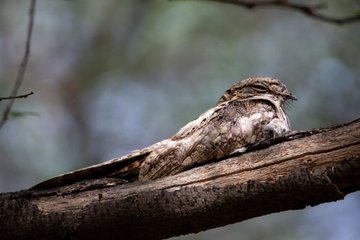
The European nightjar is a bird. It sleeps in the day. It wakes up at night. It flies from Europe to Africa. It makes this long trip every year. Its wings carry it very far. That is one job for its wings. The bird also needs food. It hunts for food at night. It eats flies and moths. The wings must help with this too.
The bird must be a good hunter. It must fly very slow. It must turn very fast. It must fly close to the ground. These moves help it catch food. These moves are not easy. The wings must do two jobs. A long wing is good for travel. A short wing is good for turning. The bird needs both things. The wing shape shows a trade-off. This trade-off is a problem. One thing helps the bird. Another thing hurts the bird.
A team in Sweden studies this bird. They watch the bird fly. They see how it turns. They see how it travels. They learn about its wings. The team writes a report. Another team checks the report. The report is in a science journal. People can read the report. They learn about the nightjar. The bird teaches us an important lesson. Wings can do more than one job. Each job has a cost. A trade-off is part of nature.