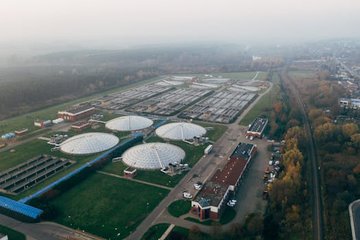
Researchers have developed an AI-powered monitoring framework enabling real-time assessment of wastewater treatment processes. This twin transition methodology simultaneously optimizes system performance and energy consumption while facilitating resource recovery. Contemporary water management extends beyond conventional pollutant removal, now encompassing climate mitigation, carbon reduction, and circular economic principles. Ammonia-nitrogen presents a particularly complex challenge, serving as both an environmental liability and a potential nutrient resource requiring careful regulation.
Ammonia-nitrogen management requires balancing ecosystem protection with resource optimization. Without proper control, nitrogen compounds degrade aquatic environments and increase treatment burden. Conversely, strategic recovery transforms potential pollutants into valuable inputs for agricultural or industrial applications. The framework integrates digital transformation with green technology, employing sensors, predictive modeling, and intelligent control systems to enhance process stability while reducing unnecessary energy expenditure. System-level thinking ensures wastewater treatment facilities achieve greater reliability, lower carbon footprints, and improved resource efficiency.