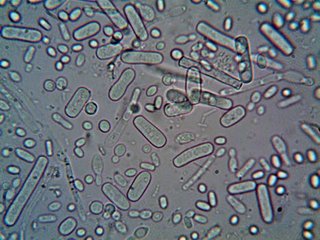
A comprehensive study published this week demonstrates a compelling correlation between climate change and the proliferation of antimicrobial-resistant infections. Researchers found that rising ambient temperatures combined with altered precipitation patterns create favorable conditions for pathogens such as salmonella to develop enhanced resistance mechanisms. The data indicates that as global mean temperatures continue their upward trajectory, the prevalence of drug-resistant bacterial strains is projected to increase substantially, presenting significant challenges to existing treatment protocols.
The investigation encompassed datasets from diverse geographical regions, revealing consistent associations between thermal conditions and resistance prevalence. Health authorities are now confronting the prospect that conventional antibiotic regimens may prove increasingly inadequate in the coming decades. Mitigation strategies under consideration include enhanced surveillance systems, stricter prescription guidelines, and broader public health initiatives. Scientists emphasize that the interconnected nature of climate and human health necessitates an integrated approach to addressing both environmental and epidemiological challenges.