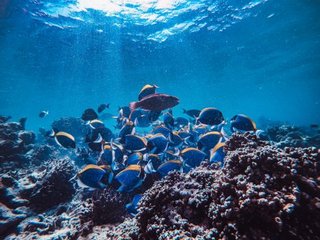
Florida's marine ecosystems face unprecedented threats from climate change. Coral reefs are bleaching, manatee populations are declining, and turtle populations are experiencing gender shifts due to warming waters. Hurricanes have devastated oyster beds across the Gulf coast. State wildlife authorities recognize the urgent need for coordinated action to address these interconnected challenges facing marine species throughout the region.
The Florida Fish and Wildlife Conservation Commission and its charitable foundation have announced an ambitious coastal corridor initiative. Modeled after the successful 18-million-acre terrestrial wildlife corridor established in 2021, this interconnected chain of ocean-based projects will restore and enhance critical marine habitats. The initiative encompasses artificial reef construction, seagrass and mangrove restoration, and oyster bed rehabilitation along both Atlantic and Gulf coastlines, creating a contiguous network where marine life can flourish and migrate safely.
Beyond ecological preservation, the project serves significant economic purposes. Recreational fishing generates $14 billion annually and sustains 120,000 jobs, while artificial reef development contributes an additional $3.1 billion and 39,000 positions. Over two million out-of-state anglers flock to Florida each year, supporting charter boat operators, hospitality businesses, and coastal communities throughout the state. As executive director Nick Wiley noted, the coast represents Florida's most treasured asset, and this initiative unifies fragmented conservation efforts under a comprehensive vision for marine prosperity.