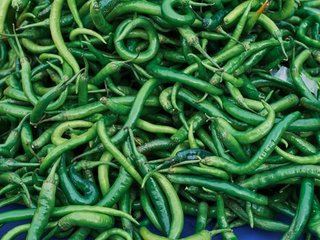
While spiciness may not be the first flavor associated with Japanese cuisine, peppers have nevertheless maintained a significant presence in the country for centuries. Capsicum peppers were introduced to Japan during the 16th century, and by the Edo Period two distinctly indigenous varieties had become firmly established in Japanese agriculture and cuisine.
The first of these heirloom varieties is the small, fiery-hot takanotsume chili pepper, measuring approximately 2 to 5 centimeters in length. Its name, which translates to hawk talons, derives from the characteristic curved shape of the fruit, which is said to resemble the claw of a bird of prey.
The second locally cultivated variety is the shishito, literally meaning lion head, named for the bumpy exterior that mirrors the noggin of the shishi, a mythical lionlike guardian beast from Japanese folklore. Although most shishito peppers are notably mild, occasional specimens prove quite spicy. This unpredictable trait was never deliberately bred out of the variety. On the contrary, enthusiasts have come to embrace the element of surprise, eagerly anticipating the occasional encounter with an especially piquant shishito.