Small plastic pieces are in many places. We call them microplastics. They are smaller than five millimeters. Scientists find them in oceans. They find them in air. They find them in tap water. Some even find them in human blood. These pieces have different sizes. Some are big. People can see them. Some are very small. They are just a few micrometers. Size matters a lot. Small pieces are more in number. They act differently in water. They may cause more harm. They can enter living things easily.
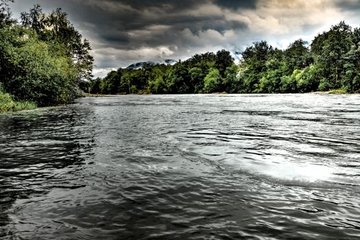
Many people worry about microplastics. But scientists do not have standard rules. Different teams use different methods. They look at different sizes of pieces. They count pieces in different ways. Most teams count the number of pieces. They do not measure the weight. Measuring weight shows more about pollution. A team in Japan studied a river. The river is the Tsurumi River. It is in Japan. Many people live near this river.
Treated wastewater makes up most of the river. It is about seventy-five percent. The team did seven surveys. They went to four places. They collected tiny pieces. The pieces were very small. They used many ways to collect samples. This helps them compare results. They want to make standard rules. These rules will help everyone measure the same way.