Volodymyr Kuzmenko, a 29-year-old former special forces sniper, experienced an unexpected thrill recently when he attempted wake boarding for the first time since losing his right leg. Rather than specialized adaptive equipment, he simply knotted the excess fabric of a standard wet suit around his hip and hopped aboard a speedboat on his remaining leg. The veteran emerged from the water grinning, having discovered an unlikely new passion that defied both convention and his own expectations about post-injury limitations.
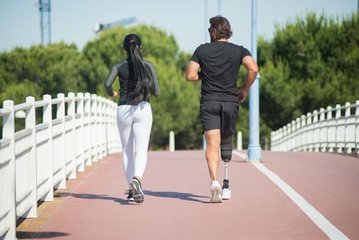
Kyiv residents are emerging from the harshest months of the conflict, flocking to parks and sunning themselves along the Dnipro's sandy banks despite ongoing Russian bombardment. The human cost of Russia's full-scale invasion has become increasingly visible on city streets, where amputees in civilian clothes represent a growing demographic. While the government declines to publish official casualty figures, the Superhumans Center, which provides prosthetic limbs and rehabilitation services, estimates over 100,000 amputees now reside in the country.
Organizations like One Team Forces are reshaping how veterans reintegrate through athletic programs that emphasize physical challenge over pity. The group arranges competitive events and races designed to push participants toward their limits rather than dwelling on loss. Some attendees have endured multiple amputations, including several who lost all four limbs. Yet the emphasis remains firmly on capability rather than disability, as these veterans demonstrate that profound injury need not define one's ceiling for achievement.