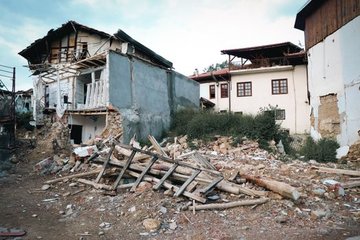
Venezuela was struck Wednesday by a pair of devastating earthquakes measuring 7.2 and 7.5 in magnitude, leaving at least 164 people dead and hundreds more unaccounted for. The consecutive seismic events, which struck in close succession, caused catastrophic damage across multiple regions of the South American nation. Emergency response teams have been deployed to affected areas, though the full scope of the destruction remained difficult to assess as rescue operations continued into the night. Officials warned that the death toll could rise significantly as crews gain access to previously unreachable areas.
Search-and-rescue personnel, including teams from international humanitarian organizations, have been working around the clock to locate survivors amid the wreckage. They face considerable obstacles, including persistent aftershocks that have rendered already-compromised structures increasingly unstable. Critical infrastructure, including roads, bridges, and communication networks, has been severely disrupted, complicating logistics and coordination efforts. Helicopters and ground teams have been struggling to reach isolated communities cut off by the devastation.
President Maduro's administration declared a national emergency and formally requested international assistance. Temporary medical facilities have been established to accommodate the wounded, while overwhelmed morgues have requested refrigerated containers to manage the deceased. Regional neighbors and global relief agencies have pledged support. The Venezuelan people, though traumatized, have demonstrated remarkable resilience, with volunteers flooding blood banks and organizing grassroots assistance for affected communities. The nation now confronts an extended recovery effort as it confronts the reality of lives lost and the uncertain prospect of finding additional survivors in the days ahead.