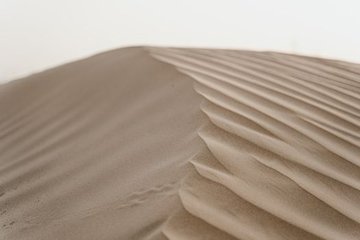
Wildlife photographer Mohammed Almuntasir uploaded an 18-second video to YouTube in 2017. The footage showed a small, pale cat digging a hollow in the sand among the remote dunes of south-west Libya. He thought little of it at the time. However, this short video would later become the first material evidence that the sand cat (Felis margarita) exists in Libya. The sand cat is the world's only felid species adapted to true desert conditions.
When Almuntasir posted the video, nobody believed it had been filmed in Libya. Everyone denied its authenticity, but he kept insisting the cat was present in several locations. One sighting was only 70 kilometers from Zintan, where he lives. Nearly a decade later, evidence suggests this was not just one isolated cat. South-west Libya may represent a previously unrecognised stronghold for the species. The sand cat is similar in size to a domestic cat, and its sandy coloring makes it nearly impossible to spot in its desert habitat, earning it the nickname "ghost of the desert."
Although Almuntasir did not actively share his footage, it gained attention on its own. Researchers began contacting him, including Firas Hayder, a zoologist specializing in small carnivores and a postdoctoral researcher at Sol Plaatje University in South Africa. Hayder had reviewed every scientific source mentioning the sand cat in Libya and found no evidence or coordinates. He was surprised to learn Almuntasir had observed the cat in multiple areas. Libya's south-west remains one of the least studied terrestrial environments in north Africa, with no protected areas, camera trap infrastructure, trained field teams, or functioning central authority to coordinate research.