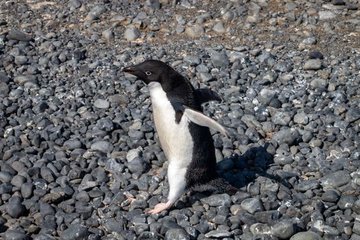
Thousands of Adélie penguins were found deceased in Antarctica in 2024. The deaths were initially attributed to high pathogenicity avian influenza (H5N1). However, a study published in Proceedings of the Royal Society B has identified avian cholera as the principal cause. This discovery underscores an underrecognized threat to Antarctic wildlife.
The investigation underscores the necessity for comprehensive disease surveillance. As H5N1 continues to exacerbate concerns for seabird and marine mammal populations, it is imperative to consider alternative pathogens. Avian cholera, caused by the bacterium Pasteurella multocida, proliferates rapidly and can be fatal for penguins and other fauna. The scientists analyzed samples from the carcasses, confirming the presence of the pathogen. This disease is not commonly found in Antarctica, presenting a new peril.
The researchers advocate for enhanced monitoring of wildlife diseases in Antarctica. This will facilitate early detection of novel threats and safeguard vulnerable species. The study serves as a reminder that preliminary assumptions may be erroneous and that rigorous investigation is indispensable. The findings emphasize the importance of thorough research in remote ecosystems for conservation efforts.