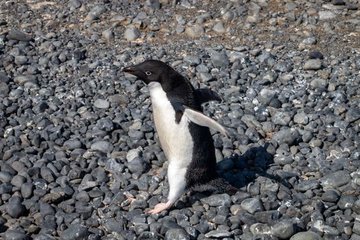
Thousands of Adélie penguins were found dead in Antarctica in 2024. Scientists initially suspected the deaths were caused by high pathogenicity avian influenza (H5N1). However, a new study published in Proceedings of the Royal Society B has identified avian cholera as the primary cause. This finding highlights an underrecognized threat to Antarctic wildlife.
The study emphasizes the need for comprehensive disease investigations. As H5N1 continues to pose risks for seabirds and marine mammals, researchers must consider other diseases. Avian cholera, caused by the bacterium Pasteurella multocida, spreads quickly and can be deadly for penguins and other animals. The scientists analyzed samples from the dead penguins and confirmed the presence of the bacterium.
The researchers call for increased monitoring of wildlife diseases in Antarctica. This will help detect new threats early and protect vulnerable species. The study serves as a reminder that initial assumptions can be incorrect and that thorough research is necessary. The findings are important for conservation efforts in the region.