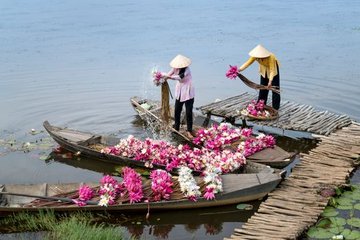
Beatrice Maseko, a mother of four, spends her days in the lower Shire marshes, coated in foul-smelling mud. She is among a dozen women who plunge their arms into the sediment to harvest nyika, the roots of wild water lilies. The work is fraught with danger, as the river is infested with Nile crocodiles. Despite the peril, she persists, driven by the certainty of hunger. "The crocodile is a possibility, but hunger is a certainty," she remarks.
The women move with deliberate slowness, aware that a crocodile may be gliding just yards away. In 2024, Isaac Kenneth was attacked while harvesting in the same stretch of water. The crocodile seized his leg and dragged him under, but fellow foragers managed to pull him free. He sustained deep puncture wounds and a broken ankle. The danger is ever-present, but the women have little choice. As Maseko explains, "If I do not come into this water, my children will not eat tonight."
Once reserved for the worst drought years, nyika foraging has become a weekly commercial activity due to extreme weather, weak institutional support, and rising food prices locking vulnerable households out of basic nutrition. Admarc sells maize at a subsidized price, but logistical bottlenecks and funding shortfalls mean supplies are heavily rationed; on the open market, a 50kg bag costs up to 72,000 kwacha, far beyond the means of most rural households. Consequently, communities rely on nyika, which is boiled, dried, and pounded into flour for porridge.