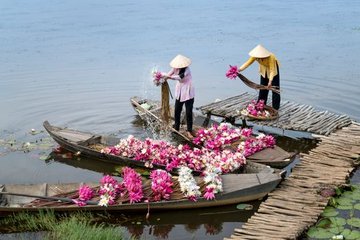
Beatrice Maseko, a 34-year-old mother of four, lives near the Shire River in Malawi. Every day, she wades into the muddy marshes up to her thighs to harvest nyika, the roots of wild water lilies. The work is dangerous because the river is home to many Nile crocodiles. Despite the risk, she continues because her children are hungry. "The crocodile is a possibility, but hunger is a certainty," she says.
Other women also forage in the same marsh, moving slowly and speaking in whispers. Just 50 yards away, a crocodile glides silently beneath the surface. In 2024, Isaac Kenneth was attacked while harvesting. A crocodile seized his leg and dragged him under, but fellow foragers pulled him free. He suffered deep puncture wounds and a broken ankle. The women know the danger but have no choice. As Maseko says, "If I do not come into this water, my children will not eat tonight."
Once reserved for severe food shortages, nyika foraging has now become a weekly necessity due to extreme weather, weak government support, and high food prices. Admarc sells maize at a low price, but supplies are limited. On the open market, maize is too expensive for most rural households. As a result, people rely on nyika. They boil the roots, dry them, and pound them into flour for porridge.