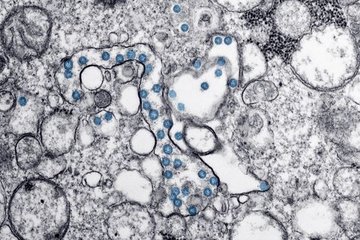
As antimicrobial resistance continues to pose an escalating threat to global public health, medical researchers have revisited bacteriophage therapy as a promising therapeutic alternative. Bacteriophages represent naturally occurring viruses that demonstrate remarkable specificity in targeting bacterial pathogens. This renewed scientific interest has driven substantial investment in understanding how phage-based treatments might address infections resistant to conventional antibiotics.
Bacteriophages operate by identifying specific bacterial hosts and penetrating their cellular walls. Once inside, these viral agents replicate exponentially, ultimately causing bacterial lysis and destruction. This mechanism of action differs fundamentally from antibiotic mechanisms, offering potential advantages in treating recalcitrant infections. The self-amplifying nature of phages means treatment efficacy may increase over time rather than diminish.
Investigators have developed sophisticated computational models to simulate phage-bacterial dynamics and optimize therapeutic outcomes. Mathematical frameworks predict how phage cocktails interact within complex biological systems. Research indicates that employing diverse phage combinations while initiating treatment early in infection substantially reduces the probability of bacterial resistance emerging. These findings hold significant implications for translating computational insights into clinical applications for resistant infections.