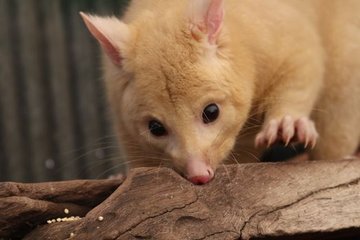
New research has inaugurated a decade-long scrutiny into how Australian wildlife is infiltrating human dwellings as substitute habitats. University of Melbourne researchers analysed Wildlife Victoria rescue reports spanning ten years, identifying 2,400 documented cases of native animals using buildings as habitat. Brushtail and ringtail possums accounted for roughly half of all incidents, with microbats and bare-nosed wombats emerging as the next most prevalent species found inside structures. The findings, published in People and Nature, reveal that these encounters are far more common than previously assumed. Lead author Bethany Kiss noted that native wildlife is using almost every conceivable part of residential buildings as natural hollows and habitats disappear due to development and land clearing.
The study documented animals inhabiting diverse building features, from roof voids and wall cavities to garages, roller doors, and exterior spaces. Approximately 10 percent of cases involved animals discovered inside living rooms, kitchens, and bedrooms rather than concealed areas. Wildlife Victoria, which provided the data, shared striking examples from recent emergency calls. One caller reached for a dishwashing tablet under her kitchen sink only to discover juvenile sugar gliders nestled in a small jar. When rescue workers were dispensed to the scene, they found five additional gliders concealed in the same location. Another caller reported a koala that had wandered down her hallway and was found seated calmly on her bed by the time rescuers arrived.
A Wildlife Victoria spokesperson described other remarkable cases. One homeowner, who happened to be a wildlife rescuer, discovered an echidna had entered her house and was systematically pulling items from her pantry shelves, including a heavy food processor. She was able to safely return it outside. Microbats frequently feature in hotline reports. During renovations, a Melbourne homeowner uncovered eight little forest bats roosting within a wall cavity. Ericka Tudhope, a rehabilitation specialist from Microbats of Melbourne, explained that bats inhabiting roof spaces is commonplace and poses no cause for concern, provided residents leave them undisturbed and avoid physical contact.