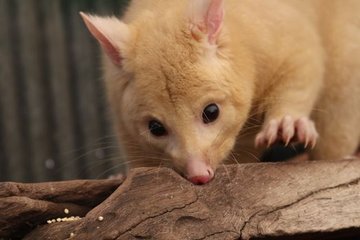
Australian wildlife is increasingly finding its way into human homes. New research shows animals are using buildings as substitute habitats as their natural environments disappear. University of Melbourne researchers analysed a decade of wildlife rescue reports and found native animals seeking shelter inside houses, garages, and even letterboxes. The study identified 2,400 cases of wildlife using buildings as habitat. Most incidents involved possums, microbats, and wombats making themselves at home in human spaces. Bethany Kiss, the lead researcher, said the findings reveal how common these encounters have become. People often assume these are rare events, but they happen far more frequently than most realise.
Brushtail and ringtail possums made up half of all reported cases, the study found. Microbats and bare-nosed wombats were the next most common species found inside buildings. Researchers discovered animals in almost every part of the house, from roof spaces and wall cavities to garages and air conditioning systems. About 10 percent of cases involved animals found inside living rooms and kitchens. The data came from Wildlife Victoria, which handles emergency calls about animals in homes. The organisation said one caller discovered juvenile sugar gliders curled up together under her kitchen sink. Another reported a koala that calmly made itself at home on a bedroom bed.
A Wildlife Victoria spokesperson shared several remarkable cases. One homeowner found an echidna had entered her pantry and was pulling items off the shelves. Another caller reached for a dishwashing tablet and instead touched something furry. Rescue workers later found seven sugar gliders in total living under the sink. Microbats frequently feature in hotline calls. During renovations, a homeowner uncovered eight little forest bats roosting inside a wall. Ericka Tudhope from Microbats of Melbourne said bats living in roofs is common and nothing to worry about, provided people leave them alone and do not touch them.