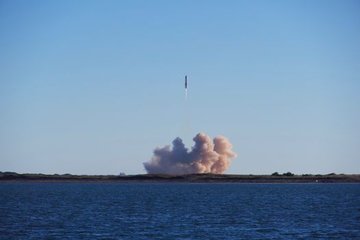
A derelict component of a SpaceX Falcon 9 rocket is projected to collide with the moon early Wednesday morning. According to Bill Gray, an orbital tracking specialist, the collision is anticipated at approximately 2:35 a.m. ET. The upper stage booster, measuring approximately the height of a five-story structure, is traveling at velocities exceeding 5,000 miles per hour. The booster in question was part of the launch vehicle that delivered two lunar landers and accompanying scientific payloads to the moon in January 2025.
The projected impact zone is situated on the Earth-facing hemisphere of the moon, specifically within the northwestern lunar quadrant near the Einstein Crater. Gray projects that the collision will excavate a crater no less than 17 meters in diameter. While the collision was not intentional, SpaceX has not issued a formal response to media inquiries. NASA's Lunar Reconnaissance Orbiter is positioned to conduct surveillance of the impact site both prior to and following the collision, enabling direct assessment of surface modifications.
The visibility of this event from Earth remains a subject of scientific debate. Gray speculates that ejecta from the impact may produce a visible plume against the lunar night sky. Fernando, a postdoctoral researcher at Los Alamos National Laboratory, offers a more measured perspective, noting that casual observation with standard optics will likely prove insufficient. However, he encourages equipped observers to attempt viewing, characterizing the event as a rare empirical opportunity. His assessment: 'If you have the right equipment and the right time, why not take a look?'