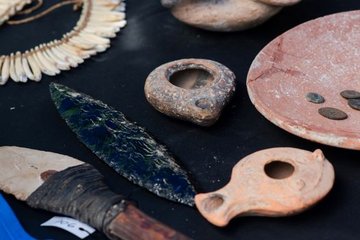
Fake artifacts are a growing problem in museums around the world. Criminals create sophisticated forgeries that fool many collectors and institutions. Researchers are developing new techniques to detect these fakes before they enter collections. Advanced imaging and chemical analysis can reveal inconsistencies in materials that appear authentic to the naked eye. Museums are now adopting these scientific methods to protect their collections from deception.
Scientists studying Caribbean islands have discovered an interesting connection between hurricanes and lizard evolution. When hurricanes strike, powerful winds dislodge lizards from trees. Researchers found that lizards with larger toe pads are more likely to survive these storms. This natural advantage means surviving lizards pass on their traits to offspring. Over many generations, hurricane activity may be shaping the physical characteristics of entire lizard populations.
Extreme heat poses serious health risks to millions of people worldwide. Medical professionals report significant increases in hospital visits during heat waves. Elderly individuals and those with chronic conditions face the greatest danger from high temperatures. Cities are responding by establishing cooling centers and warning systems for vulnerable residents. Health experts recommend hydration and limiting outdoor activity during the hottest hours of the day.