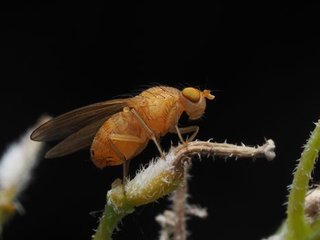
Two distinct neural circuits in the fruit fly brain have been identified that coordinate wing and leg movements for threatening rivals. These circuits work in tandem to produce a display that makes the fly appear larger and more formidable. When a fly encounters a competitor, it rapidly flaps its wings and adopts a specific leg posture, creating an intimidating visual signal. The other fly typically retreats, avoiding a physical confrontation.
This behavior serves multiple functions, including defending territory, securing food, and attracting mates. The circuits operate automatically, requiring no conscious thought from the fly. They are hardwired into the brain, enabling the fly to execute the threat display almost instantaneously. Such findings highlight how even relatively simple nervous systems can generate complex social behaviors. The research underscores the efficiency of neural wiring in producing adaptive responses.
By studying these circuits, scientists hope to uncover fundamental principles of motor control that may apply across species, including humans. The fruit fly offers a tractable model for investigating how the brain coordinates different body parts for purposeful actions. Insights gained could inform our understanding of how human brains control limbs for gestures, tool use, and other elaborate behaviors. This cross-species comparison may reveal evolutionary conserved mechanisms.