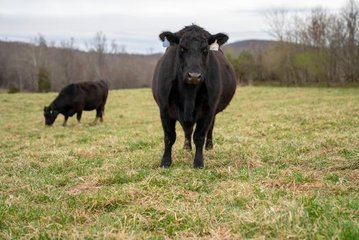
A team at the University of Göttingen tested virtual fencing for cattle. The Nofence system uses collars that emit sounds and mild electric pulses when cows approach set boundaries. This gives farmers a flexible option instead of regular fences. The study happened at a research farm in Relliehausen in 2021. Thirty-one cows wore GPS devices to track their movements.
Researchers examined how the cows moved. They divided the pasture into zones near the fence and central grazing areas. They wanted to see if virtual fences changed cow behavior differently than regular electric fences. Surprisingly, fence type was not the key factor. The mere presence of a boundary—whether visible or invisible—determined how cows spread across the field.
The findings showed that cattle spent less time at pasture edges and moved more gradually near boundaries, regardless of fence type. Virtual fences also helped cows distribute more evenly across the grazing area. Lead researcher Dr. Natascha Grinnell said cows respect virtual fences just as much as real ones. This means farmers could benefit from more flexible livestock management while keeping animals safe.