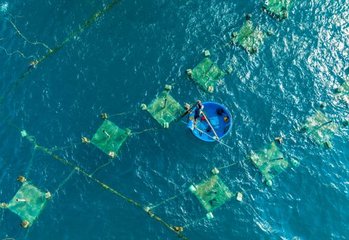
The UN Food and Agriculture Organization wants fish farms to produce 75 percent more fish by 2040. This plan, called blue transformation, aims to feed more people and reduce world hunger. But a new report raises serious concerns about how this growth would work. Almost half of all wild fish caught worldwide might be turned into food for farmed fish like salmon and shrimp. These farmed species need fishmeal and fish oil, which come from grinding up smaller wild fish such as anchovies and sardines. The report warns this could devastate ocean ecosystems and the coastal communities that depend on them.
The Changing Markets Foundation analyzed the FAO plans together with researchers at the University of British Columbia. Their modeling shows that up to 34.6 million tonnes of wild fish could be caught annually to feed farmed species. In a worst-case scenario focused on feed-intensive species, this could rise to 41.4 million tonnes. That equals 46 percent of the global wild fish catch in 2020. Although fish farms now use less wild fish per kilogram of farmed fish, total consumption is still rising because the industry is growing so fast.
Aquatic ecologist Muhammed Oyinlola from the University of British Columbia says the outcome is not inevitable. He argues that better choices exist. If farmers grow more species that need less wild fish feed, the impact on oceans would be much smaller. The report also notes that important protections for food security were removed from FAO guidelines without explanation. Small-scale fishers at a 2023 workshop in Ghana called for certain fish to stay available for human eating instead of being processed into animal feed.