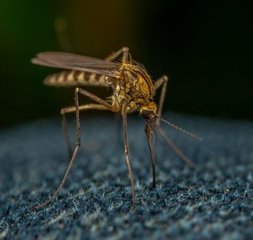
The increasing prevalence of mosquito-borne viral infections constitutes a significant global public health challenge. Pathogens historically endemic to tropical and subtropical regions, including dengue and West Nile virus, are progressively extending their geographic distribution. Europe has already experienced autochthonous transmission, as evidenced by documented cases in Spain. This expansion is attributed to multiple converging factors, including anthropogenic climate change and accelerating globalization. Nevertheless, a fundamental biological puzzle persists: what mechanisms enable mosquitoes to maintain these viral infections throughout their lifespan without succumbing to the pathogen themselves?
A study published in PLOS Biology demonstrates that viral replication dynamics differ markedly between mosquito and mammalian cellular environments. While human viral infections typically involve wholesale appropriation of cellular machinery to generate substantial quantities of viral proteins—ultimately resulting in cytolysis—mosquito infections exhibit a considerably more measured approach. Despite accumulation of viral genetic material within infected cells, protein synthesis remains substantially constrained. This regulatory mechanism, termed translational repression, permits continued viral replication without compromising host cell integrity. The evolutionary conservation of this strategy suggests an optimal balance wherein sufficient viral particles are produced to ensure transmission while avoiding mortality in the insect vector, thereby preserving the propagation pathway.