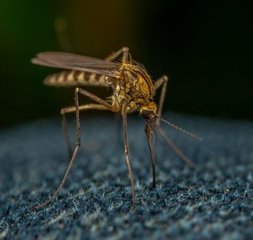
The rise in mosquito-borne virus infections represents a growing public health concern worldwide. Diseases traditionally limited to tropical and subtropical regions, such as dengue fever and West Nile virus, are expanding their geographic range significantly. Europe is no longer exempt from this trend, with autochthonous infections already documented in Spain. Multiple factors contribute to this expansion, including climate change and increased global travel. However, a fundamental biological question remains: how do mosquitoes manage to harbor these viruses throughout their lives without being killed by them?
Research published in PLOS Biology reveals that viruses behave distinctly in mosquito cells compared to human cells. In humans, viruses typically hijack cellular machinery to produce massive quantities of viral proteins, ultimately destroying the host cell. Mosquitoes, however, experience a more balanced relationship. Although viral genetic material accumulates within cells, protein production remains limited. This phenomenon, called translational repression, allows the virus to replicate efficiently while avoiding damage to its host. Understanding this mechanism could potentially lead to new strategies for controlling disease transmission.